Cable Central: Purchasing or building the X-series cables
With over 20 years in the computer service industry, and many of those included repairing C64s and drives along with building custom cables for customers or personal use, I feel very qualified to offer my skill to the C= community. I offer the most common X cables that Joe Forster/STA lists on his site, not the X adapters as I have no ability to make the PC boards required. Special cables not listed below will be considered on a case by case basis and if I have the parts to build them. Not all the information that is present on Joe's site is here. There's much to learn about and glean from Joe's web pages, so I do recommend reading them to the fullest.
The prices for the cables are in Canadian dollars and do not include shipping. The cable costs vary as each one contains different components and take different amounts of time to build. Shipping is typically $7 for one cable in a bubble-wrap envelope and multiple cables would mean a different shipping container and higher costs. Since I have no shopping basket, e-finance capability or ordering page, please email me with your orders. All of my cables are verified working under DOS, and are tested using various drives with the latest ROM versions and/or JiffyDOS.
If you need help choosing a cable, look at my pick a cable matrix page to help. It contains the most common elements to consider when choosing a cable. Those cables with a BEST in the Rating column in the charts below are recommended for building or purchasing as they are useful under most conditions including software, operating systems and hardware compatibility. Other cables (poor, fair, good) are not recommended because of very limited usefulness or compatibility, but they can still be useful under the right conditions. I have included the build instructions below for each cable and a parts suppliers page for the various parts needed if you want to try your hand at building.
Visit the "identify your drive" page to verify what drive model you have before ordering cables.
Important note on PC parallel ports
The X-series cables do not work with most PCI parallel port add-on cards nor with USB-Parallel adapters and therefore it is wise to avoid them. If you have a PC without a built-in parallel port then the only options available now are USB devices like the ZoomFloppy or the XUM1541.
Serial-Only Cables
These are the X-series serial cables. They only need a single parallel port on your computer, do not require modifications to your Commodore drives, and work on all 1541 and 1571 models. These all work with Star Commander but do not with MNIB/NIBTOOLS as that software requires a parallel connection.
|
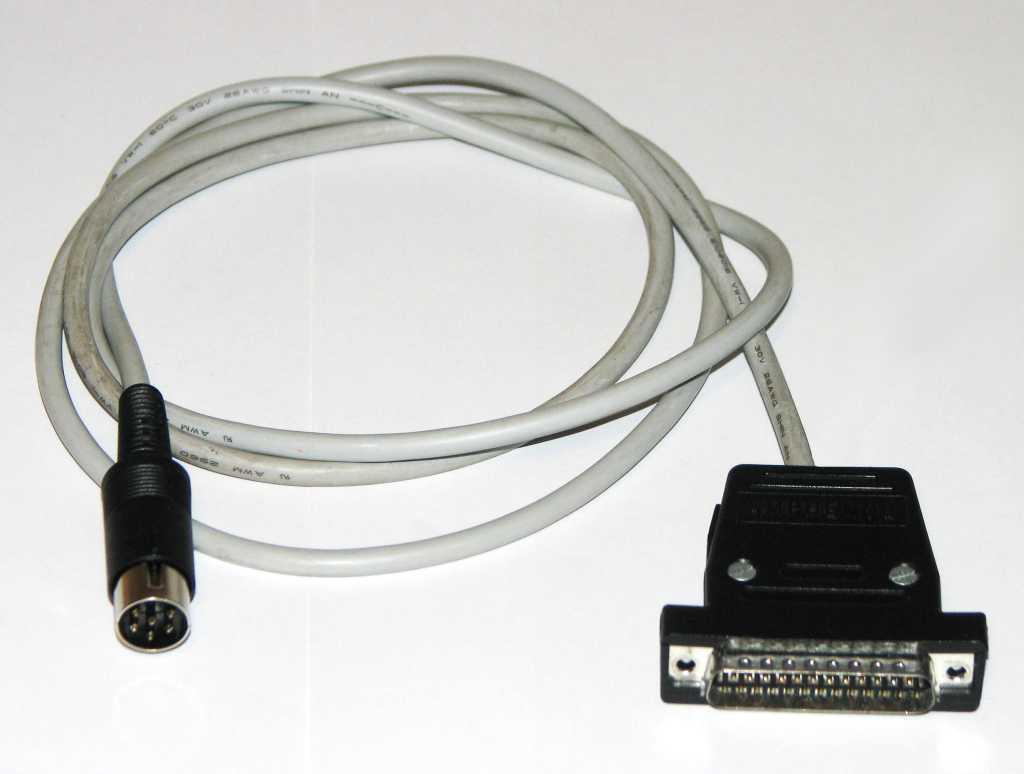 |
The XA1541 is the best choice for a serial-only cable as it has the highest compatibility with contemporary parallel ports. This is the cable to go with if you have a 1541 or a 1571 without a parallel port.
However, if you have a parallel-enabled 1541, are thinking of purchasing a parallel port in the future, have any intention on running MNIB/NIBTOOLS or want even faster data transfers using Star Commander, then you should get a parallel cable (preferably the XAP1541) and a solderless parallel port for the disk drive as MNIB/NIBTOOLS does not support the serial-only cables.
If you plan on using a 1571, then you should upgrade the ROM to the latest version (310654-05) or obtain Jiffy DOS to solve the issues of the drive taking a long time to recognize and read 1541 disks. See the section called Drive Modifications for the details.
Note that all these serial-only cables are virtually the same as their serial+parallel siblings below, only these don't have the parallel portion installed. In choosing a cable, don't get hung up on whether the P variant of the cable will work or not. If you know that the XA cable works in your circumstances, then the XAP will work as well. Only the parallel connector on the cable won't be used until you get a parallel-enabled drive.
Serial+Parallel Cables
These cables are the X-series serial+parallel Y-shaped cables. They only require a single parallel port on your computer, but in order to utilize the full speed capabilities of the cable you should have a 1541 parallel port add-on or the 1571 parallel port add-on (see next section) to your disk drive. All these cables work with Star Commander, but only the XEP, XMP and XAP work with MNIB/NIBTOOLS under DOS. Only the XMP and XAP work with MNIB/NIBTOOLS under Windows.
See the section called Drive Modifications for issues regarding specific drive models, especially for 1541C, 1541-II and 1571 models.
|
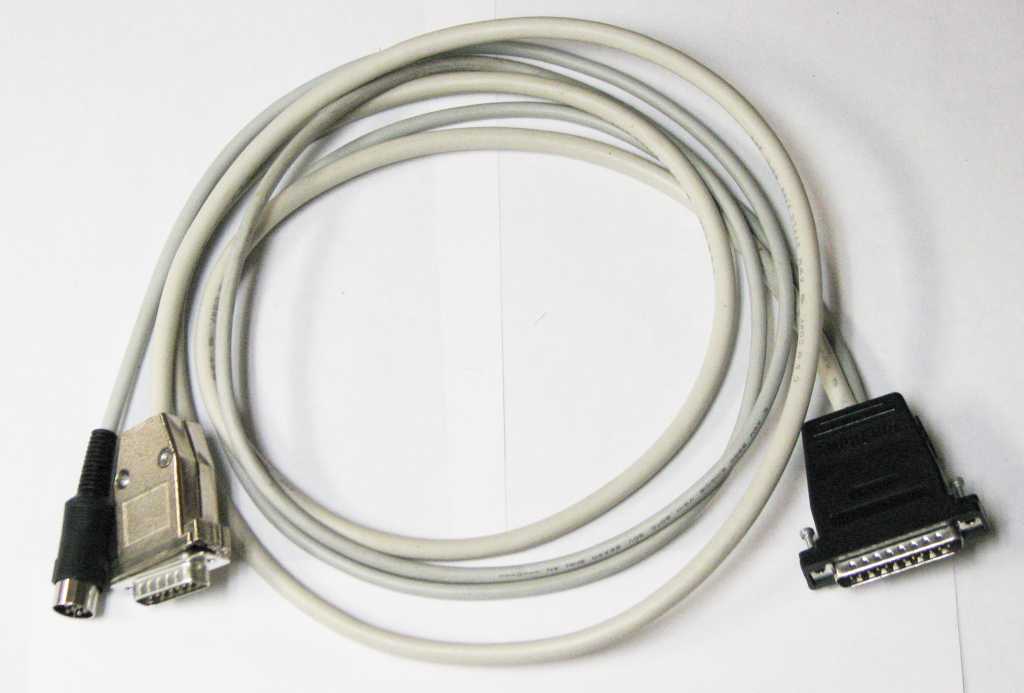 |
The XAP1541 is the best choice for a serial+parallel cable as it has the highest compatibility with contemporary parallel ports. The parallel end of the cable does not have to be hooked up or used unless you have a parallel-enabled 1541 and want the extra transfer speed.
Note that all these serial+parallel cables are virtually the same as their serial-only siblings above, only these have the parallel portion installed. When choosing a cable, don't get hung up on whether the P variant of the cable will work or not. If you know that the XA cable works in your circumstances, then the XAP will work as well. Only the parallel connector on the cable won't be used until you get a parallel-enabled drive.
Disk Drive Parallel Ports & Cables
The first group are internal parallel port additions for your disk drive. A solderless cable is one where a socket is inserted in place of the VIA/CIA (6522 or 6526) chip and the VIA/CIA re-inserted in the new socket, requiring no soldering tools. A soldered cable simply ends with tinned wires which must be soldered directly to the chip (6522 or 6526) legs, and hence requires tools and soldering experience. The DB15 external port for both the 1541 and 1571 are wired the same but they hook up to different pins on different chips in the drive, hence the separate entries.
See the section called Drive Modifications for issues regarding specific drive models, especially for 1541C, 1541-II and 1571 models.
|
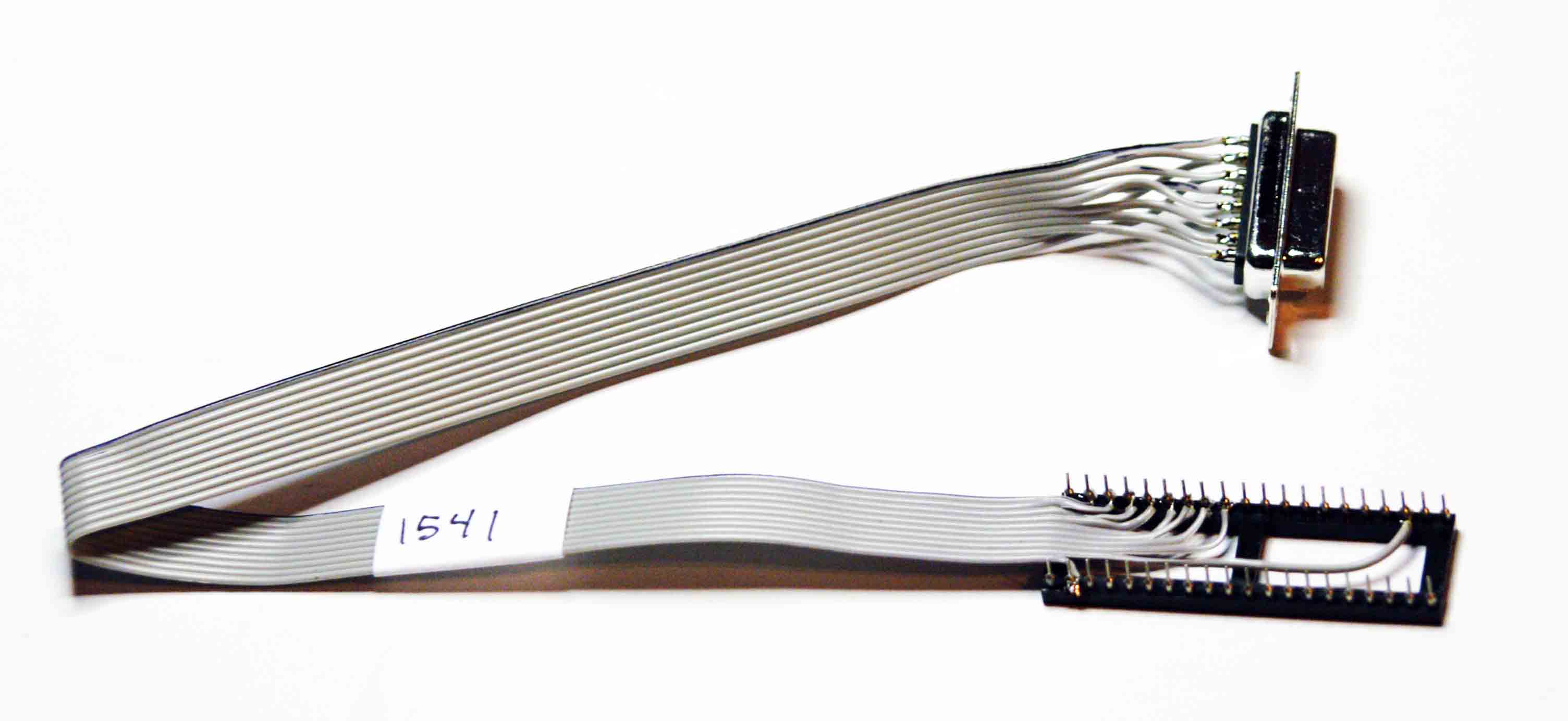
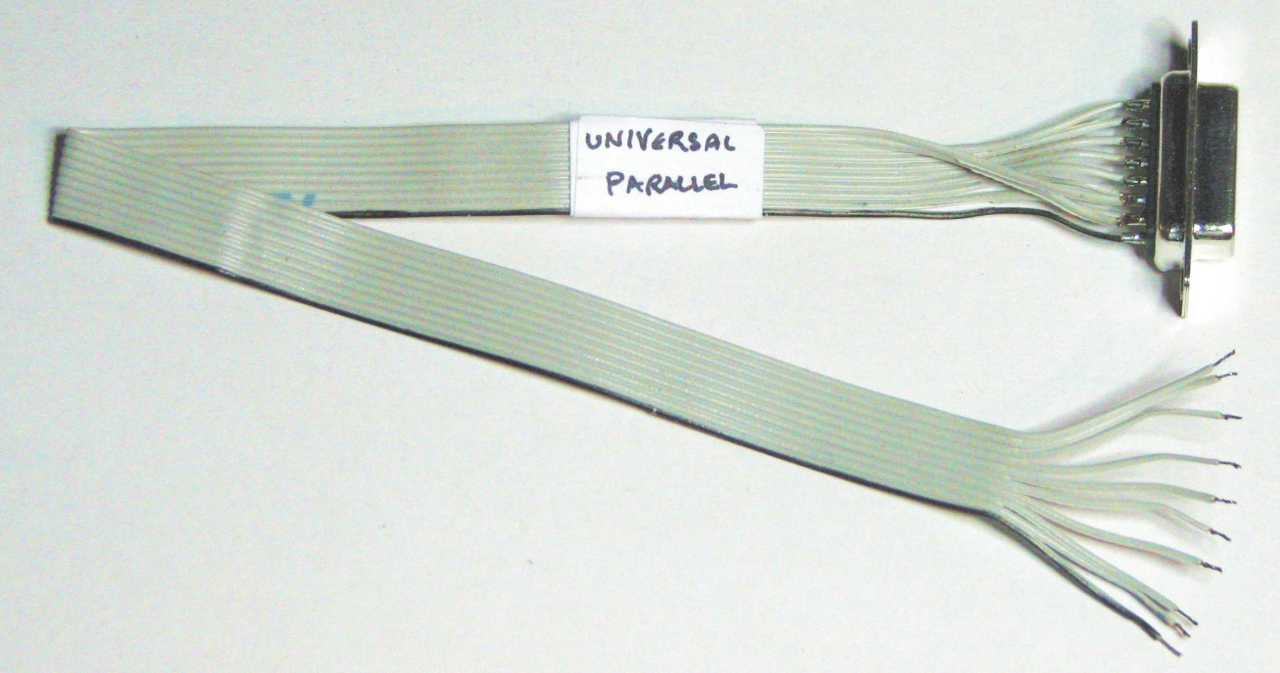
|
This cable connects a ZoomFloppy to the parallel port of a disk drive. MNIB requires a parallel connection, and it also makes Star Commander at least 3x faster when transferring images using parallel.
|
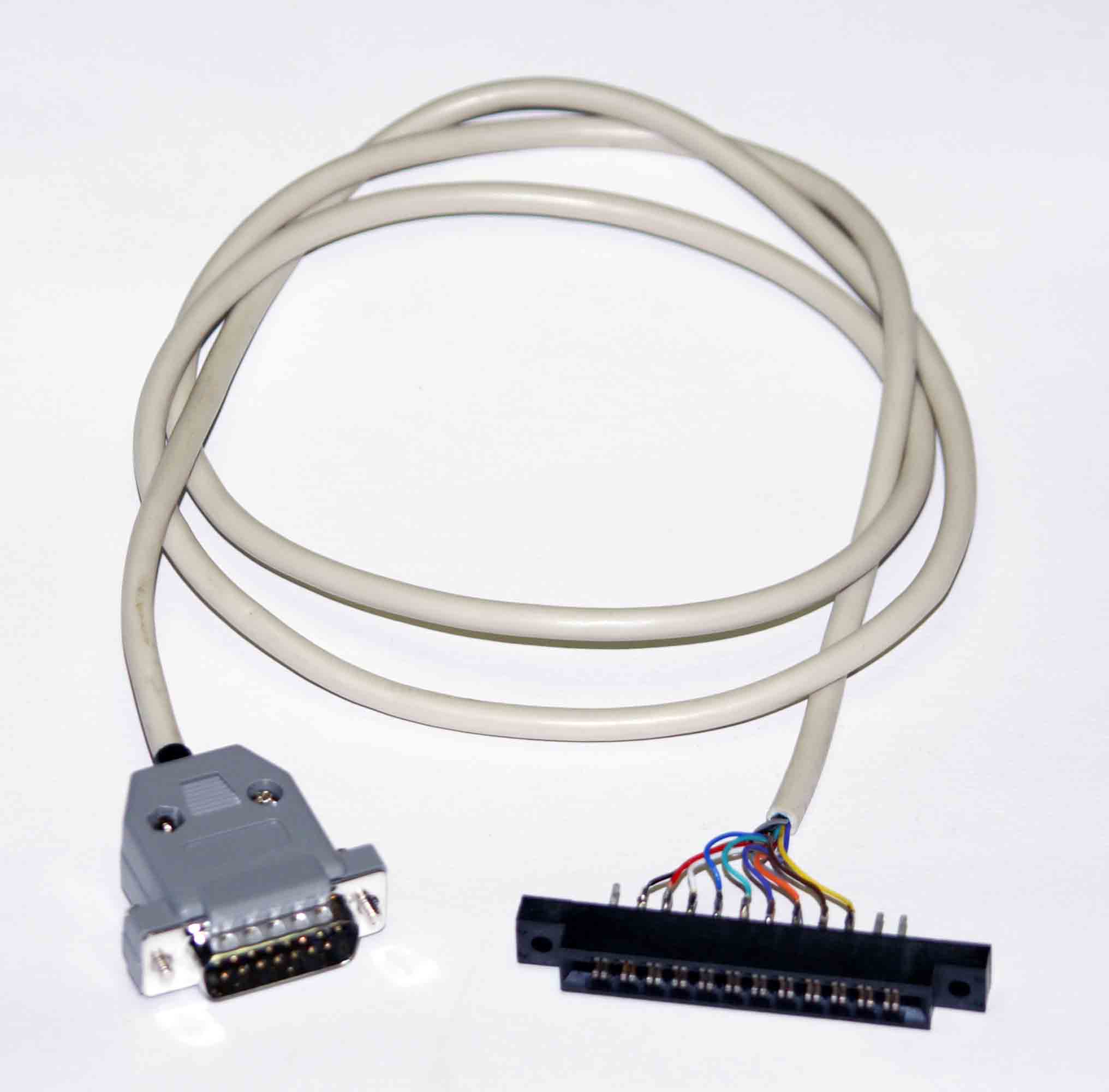
This cable connects the C64 user port to the parallel port on the disk drive. Software such as Speed DOS and 15 Second Copy can use this cable. NOTE: Due to the parts cost of the user port connector, I no longer offer this cable for sale.
|
|
Cable Uses
If your intention is to simply copy or re-master disks to/from the 1541/1571 drives, then jump down to the next topic. If it is to use a PC as a large storage device connected to the C64, then this section is for you.
There exists several different software packages on the PC that emulate a large storage device. The chart below shows the major ones along with their restrictions and limitations. None of the ones listed support the XA series of cables.
Software |
Cable(s) |
OS |
Notes |
VC1541 |
X1541 XE1451 |
DOS |
|
1541EMU |
Custom |
DOS |
|
64HDD |
X1541 XE1541 |
DOS |
Free and Pro version |
Speed Tests of the Cables
The following chart shows the average times to transfer a disk image from various drives using the two most popular cables in both serial and parallel modes. You will note that all the 1541 drives are lumped together because the transfer speeds all turned out basically the same, being within 1-2 seconds of each other. All tests are done in DOS only on a old IBM laptop (Pentium 2 300 Mhz vintage). Star Commander transfers were done in WARP mode only. The 1541C was tested with the newest 1541-II ROM's due to the parallel port being installed.
| Star Commander, serial and parallel transfers |
Drive Family |
XA+SC |
XAP+SC |
% Change |
| 1541/1541C1541-/II | 88 seconds | 25 seconds | 350% |
| 1571 | 52 seconds | 17 seconds | 305% |
The results from the Star Commander transfers shows that the XAP parallel cable is 3.5x faster than the XA serial cable on the 1541. The XAP is 3x faster than the XA on the 1571. The results for the 1571 were surprising because of how fast the drive was compared to the 1541, even when just doing serial transfers.
Conclusion: if you are considering doing disk transfers, get a parallel port for the disk drive and use a parallel (XAP) cable because you won't be disappointed with the transfer speed, especially with the 1571 drive.
| NIBTOOLS transfer times |
Drive Family |
XAP+NIBTOOLS |
| 1541/1541C1541-/II | 47 seconds |
| 1571 | 43 seconds |
The results for NIBTOOLS were a bit disappointing. I was expecting a big percentage decrease in transfer time going to the 1571 like I saw with SC but it only decreased by about 10%.
Drive Modifications and ROM Upgrades
1541C - When adding a parallel port, you will need to obtain a replacement ROM from the 1541-II (251968-03) due to the track 1 optical sensor. This ROM can be purchased here or you can download the binary file and burn it with an EPROM programmer. Also, a trace needs to be cut on the PC board in the drive. See the 1541 Parallel Port page for more info on performing this modification.
1541-II - A trace needs to be cut on the PC board in the drive. See the 1541 Parallel Port page for more info on performing this modification.
1571 - Older ROM revisions (310654-03 and previous) will have a several second delay recognizing 1541 disks, so it will take some time for the drive to start reading the disks. Upgrading to the latest ROM (310654-05) or JiffyDOS will solve this problem. This ROM can be purchased here, or you can download the binary file and burn it with an EPROM programmer.
If you want to update an older ROM revision on either a C64 or a 1541, but are using a 2764 EPROM to do so, then you will need the 28-24 pin socket adapter in order to fit the EPROM on the board. The original ROM chips used in the C64 and 1541 (not the C64C, 1541C, 1541-II or 1571) have a non-standard 24-layout pin and the 2764 EPROM will not fit into its socket as it is a 28 pin device. The socket adapter re-wires the 2764 EPROM to that required by the 24-pin socket. Instructions are provided if you want to try to build a socket adapter.
ROM |
Why Needed |
Cost |
1541-II ROM for the 1541C drives (251968-03) |
$8 |
|
1571 upgrade ROM (310654-05) |
$8 |
|
28 to 24 pin socket adapters for 2764 EPROMS |
$12 |
Parallel-Only Cables
These are the various parallel-only cables and they require a PC which has 2 parallel ports (one for the serial and the other for the parallel) as they only work in conjunction with a serial cable. There is very little need for these types of cables due to their inherent limitations, and it is highly recommended to purchase or build one of the above serial+parallel Y cables. Star Commander supports both of these cable extensions, but MNIB/NIBTOOLS only works with the XP version.
Cable Name |
How To Build |
Cost |
XP1541 |
$15 |
|
XH1541 |
$16 |
Email the author: Peter Schepers | Last updated: Jul 2, 2019